Coordinate comprehensive resourcing for progressive social change: Reflections from the post-Yugoslav region and the Larger World
By: Marija Jakovlevic
More funders should engage advisors with activist backgrounds because they understand the interconnectedness of various struggles. Such actors have the experience of being on the frontlines and also serving in various organizations and international bodies, which brings an understanding of different demands on both ends and the wisdom of meeting both without jeopardizing one side.
By: Marija Jakovlevic
Note: use automatic page translation tool in Google Chrome when accessing links that are not in English to be instantly translated into your preferred language
Ups and downs – food for thought
As I’m doing outreach to groups led by young feminists and LGBTQ+ youth in the earthquake-affected zone, I feel a huge frustration because of uncoordinated relief, the fact that money fails to reach these groups, and that only crumbs manage to get to Syria. Last year, in parallel with supporting rapid participatory grant-making to young feminist groups in Ukraine, I did an outreach to the Russian anti-war movement to map their needs and ways of resourcing them. Not only did philanthropy ignore feminist and queer groups resisting the war and left many people to be prosecuted, but it also discriminated against those who managed to flee to neighboring countries on the basis of their nationality. Years ago, when Kurdish women were fighting for their survival against ISIS, our discussions in peace-building circles to support them stayed futile.
Why is it that after so many sectors’ learning, conversations, campaigns to be bolder, and commitments made to make philanthropy better, do so many critical struggles remain poorly resourced? What we can do to strengthen movements going forward?
Firstly, we need to deal with collective oblivion. Let me remind us of the experience of my country. Serbia used to have significant anti-war, workers', students', and other progressive movements. Unresolved issues of past wars were accompanied by imposed privatization of public resources and infrastructure; commercialization of social services; environmental depletion; spiraling of GBV, xenophobia, racism; and overall worsening of social divides. In this scenario, movements’ efforts to push back and build alternatives were not adequately supported. Fast-forward to the pandemic and we see that established pieces of critical movement infrastructure are endangered. For example, some of the remaining community centres, which were used by many organizations for gatherings, learnings, protest planning, collecting in-kind community support for people in need, and so many more, are at risk of shutting down. They don’t have the resources to pay fixed bills and rent. Their core team are already unpaid volunteers, and community donations won’t fill the gap. Other collectives, especially in smaller places, operate in hostile environments without resilient safety-nets. Many activists and professionals left the country or changed the capacity through which they contribute to movements due to the existential pressures and burn out. I believe we now call this non-profit starvation cycle.
This post-Yugoslav region and Eastern Europe, although diverse, share the challenge of accessing adequate resources for progressive social change. Candid’s pre-pandemic data show that only 2% share of human rights funding from foundations was allocated to the region of Eastern Europe, Central Asia, and Russia. Grassroots organizing and Security and Resilience are among the least funded strategies in an already underfunded region. In addition, our experience shows that usually the smaller the funds, the greater the restrictions attached. The post-Yugoslav region has a long history of voluntary work for the public good. But volunteering is not enough to push against harmful tendencies and keeping progressive spaces. With a lack of adequate resources, mobilized talents, effort and time get wasted, people burn out, and collectives dissolve.
Jointly we can do better
We, sitting in and working with progressive funders, need to ask ourselves what kind of resourcing is accessible to the people on the front lines. We must ask that question acknowledging what insufficient resourcing looks like. Today, many of those defending labor rights work without adequate contracts in their organizations, and without social benefits and pensions. Despite full-time employment, others are remunerated so little they’re unable to access housing security and sometimes forced to live in their offices. Underfunding social change organizations increases the risk that only those with pre-existing financial safety nets will have the capacity to participate in the long-term; which limits the modalities of engagement for the most affected due to financial constraints.
In this context we must begin to ask, what does it mean to resource a just social change? It's encouraging to see the #ShiftThePower movement expand the definition of resources as more than funds moved by donors to include people's time, skills, knowledge, connections, all sorts of in-kind donations, etc. Simultaneously, there is increasing talk about "shared responsibility" across the globe, which centers on the narrative of being grassroots-led, with donors "stepping behind". While these are both positive shifts in principle, we must be cautious that the progressive initiatives don’t get hijacked or become performative like many before them have been. These should not become justifications for donors withdrawing or reducing funding to certain geographies and issues. Nor should it relieve donors from the responsibility to move more funds in an agile and responsible manner. Centering grassroots and sharing power with local actors is long due. However, this doesn't mean less but more responsibility for the donor community. It means they, and those that guide them, must actively resource infrastructure, safe spaces, safety nets and people’s development while also expanding the understanding of the scope of the issues and adjusting their own procedures. Without proper comprehensive funding, movements can become stagnant and what is achieved will be lost.
The wisdom of many
There is an opportunity here for donors to shift their responses from firefighting mode to investing in critical, holistic, long-term work. Efforts should be channeled towards currently underfunded strategies like grassroots organizing, litigation and legal aid, to mention just a few. Here is where professionals with experience in grassroots activism can provide intersectional perspectives and strategic guidance on how to better respond to changing circumstances, without creating competition among different issues and groups. More funders should engage advisors with activist backgrounds because they understand the interconnectedness of various struggles. Such actors have the experience of being on the frontlines and also serving in various organizations and international bodies, which brings an understanding of different demands on both ends and the wisdom of meeting both without jeopardizing one side.
Coordinate with other donors to cover the whole of social and environmental issues
Learn from people on the ground instead of coming with pre-cooked "solutions", and co-design meaningful resourcing programs
Don't ask people to tick the boxes; use intersectional lenses to understand the complexity of social issues and address different forms of oppression
Find adequate modalities to support various organizational forms, including informal collectives
Pay attention to the power dynamics on the ground and find ways to include the margins
Avoid ageism – there is no "too young" to be supported, and also don't leave behind those who are no more young
Establish agile and accessible procedures, so those who are not proficient in one of the colonial languages nor equipped to deal with overwhelming bureaucratic procedures can also access needed support
Roll up the sleeves along with the people on the field and stay for a long haul.
The bar is raised. The stakes are high. The main tasks in front of the donor community are to provide comprehensive funding, and to be accessible and accountable to the people on the ground. And this is only possible by listening to grassroots voices that can point to the minefields and shepherd the process of co-creating comprehensive approaches. Progressive social change depends on collaboration and coordinated resourcing done wisely.

A Feminist Re-Imagining of Research and Evaluation
By: Kat Watson
Over my decade and half of working in the international 'development' sector, I have witnessed worrying trends in the way that we measure progress. Namely, a lack of creativity and a default mode that seeks to quantify and commodify people's lives, decisions and identities. We want to know the number of young people reached by sexual and reproductive health (SRH) services or information, but not their quality. We want to know the percentage decrease in the prevalence of child marriage, without knowing whether those girls' life opportunities have been enhanced through life skills training. We want to know how effective women's rights organizations are at changing policies and laws, without investing in the sustainability of their movements. What gets lost in the focus on numbers and statistics is a deep understanding of the ever-evolving, complex realities of the human experience.
By: Kat Watson
Over my decade and half of working in the international 'development' sector, I have witnessed worrying trends in the way that we measure progress. Namely, a lack of creativity and a default mode that seeks to quantify and commodify people's lives, decisions and identities. We want to know the number of young people reached by sexual and reproductive health (SRH) services or information, but not their quality. We want to know the percentage decrease in the prevalence of child marriage, without knowing whether those girls' life opportunities have been enhanced through life skills training. We want to know how effective women's rights organizations are at changing policies and laws, without investing in the sustainability of their movements. What gets lost in the focus on numbers and statistics is a deep understanding of the ever-evolving, complex realities of the human experience.
Yet, my experience and that of many colleagues around me shows that seemingly small changes in the way we conduct research and evaluation can be radical in their effect. Bringing feminist values to research, for instance, creates space for the voices of activists to tell their own story of progress on their own terms and encourages us to remove our own voices as researchers. At its heart, it's about epistemic justice – who controls the narrative.
Embodying feminist values in research and evaluation is not always easy to do within the current constraints of the international 'development' sector and the measurement frameworks we use. However, after a recent piece of research conducted for a women's fund, I tried to flesh out the principles that we adhered to during the research - some more successfully than others. On reflection, however, these can perhaps more adequately be described as 'commitments':
Do not make decisions alone – ever: The movement is so much bigger than us as individuals, and it benefits from weaving together a plurality of voices at every stage.
Remove your voice from the narrative as much as is humanly possible: Try not to tell the story in the way that you think donors want you to tell it but, rather, use a framing that makes sense to the activists and organizations working on the ground and does justice to their work.
Move away from siloed approaches: Activists are often working at the intersection of many movements – from labour and environment to sexual and reproductive rights. Tell their story in all its complexity, and don't reduce the outcomes to those that 'fit neatly' into the log frame set out at the beginning of the project.
Broaden the definition of what an 'outcome' is: Meeting feminist activists, organizations and movements 'where they are' means accepting that change is a long journey. For instance, policy change might be unattainable during a short term project, but that on their journey to that ultimate goal, the outcome that they're seeking is about laying the groundwork. THAT, and not the policy change, is the outcome that should be measured.
Respect the time and energy that research takes, at the expense of activists' work: Expectations around how much time should be given by participants in research or evaluation needs to be evaluated, particularly in the context of COVID-19. They are all struggling with competing demands, as well as their own self-care. The benefits of participation should be equivalent to – or exceed — the time and energy that participants give.
Communicate intentionally, with courtesy and humility: The way that we communicate with everyone involved in a study – whether it's participants, organizational representatives, ethics committees, clients or colleagues – should be done with intentionality and courtesy. At every step, the priority is the welfare of the human beings involved.
What all of these have in common is that they complicate the way we measure progress; they take more effort, time and thought. Yet, feminist principles in research are truer to the human experience than methods we currently use. Going forward, donor organizations must embrace the chaos and messiness of the struggle for human rights in each context. We must all accept that the journey toward our ultimate goals is far from linear and often departs from a predefined theory of change; not to mention, how change happens in one country is never the same as how it happens in another. The narrative that will emerge will be complex, yes, but so rich in its representation of the diversity that exists in the world and far more illuminating in terms of the needs of movements, NGOs and advocates going forward.
Photo via Flickr

Sex-Positive Approaches: Does It Mean What You Think?
By: Marissa Billowitz
What would be different if we took sex-positive approaches to sexuality and comprehensive sexuality education (CSE)? People often assume that sex-positive approaches are naive. They believe advocates for sex positivity only talk about the positive aspects of sex without recognizing that the reality for many, especially women and adolescent girls, includes negative experiences of sexuality, in particular sexual violence and other forms of gender-based violence.
By: Marissa Billowitz
What would be different if we took sex-positive approaches to sexuality and comprehensive sexuality education (CSE)? People often assume that sex-positive approaches are naive. They believe advocates for sex positivity only talk about the positive aspects of sex without recognizing that the reality for many, especially women and adolescent girls, includes negative experiences of sexuality, in particular sexual violence and other forms of gender-based violence.
A sex-positive approach suggests that we reflect on how we would want others to experience their sexuality, as opposed to what we want to prevent. This approach recognizes that sexuality can be spoken of, it does not need to be a taboo or cause fear. It recognizes that, as the World Health Organization has, sexual pleasure is an important aspect of sexual health, and aspires to a world in which all people can experience sexuality not just without negative consequences, but in a positive, pleasureful way.
Comprehensive sexuality education is one of the best opportunities to change social norms around sexuality. In practical terms, CSE content can take a positive approach by including discussion of consent to sexual activity, equality and respect, open communication, seeking sexuality information, safety, and bodily autonomy.
Despite a plethora of guidance on the “comprehensiveness” of CSE, programs and curricula continue to convey the message that sexuality education is primarily aimed at prevention and risk reduction. Programs aim to avoid unplanned pregnancies and sexually transmitted infections in adolescents, and more recently, child marriage and other forms of gender-based violence.
What is holding back CSE programs around the world from employing this approach? Frankly, there are people, including decision makers, who believe that if sexuality causes some embarrassment, that’s a good thing. They believe that the discomfort surrounding sexuality will help young people avoid risks; that talking about sexuality in positive terms encourages early sexual activity.
Other approaches recognize that adolescents are engaging in sex, but focus completely on avoiding pregnancy and STIs/HIV; sometimes with fear-based messages, following theories of behavior change. As if having sex were the equivalent of smoking cigarettes. These messages were present when I was receiving sex education in the 1990s when preventing HIV was the major focus. Implicitly or explicitly, I heard “if you have sex you’ll die or you’ll get pregnant” at worst, and at best, “if you use a condom the wrong way, you’ll die or you’ll get pregnant”.
There is no evidence to support this fear-based messaging. In fact, young people who receive sexuality education focused on virginity and abstinence only -- which tends to increase fear and shame around sexuality -- are more likely to experience an STI or an unplanned pregnancy. They are also more likely to experience contraceptive method failure, compared to their peers who received no sexuality education.
One of the side effects of basing programs on fear and shame is that when young people decide to become sexually active, they continue to feel shame around sexuality. This limits their communication with sexual partners, their ability to enjoy sexual activity, and to protect themselves. This approach also stigmatizes young people who are sexually active to an extent that they may not seek sexual health services. Adolescent girls who become pregnant, and young people with HIV are equally stigmatized because the message has been that if they had sex, they did something wrong, and this consequence is their fault and cross to bear.
If we flip the switch to talk about sexuality from a more positive perspective, what do we gain? Fear and shame around sexuality is reduced, facilitating health service and information seeking. Communication between sexual partners is improved. There is evidence that promoting sexual pleasure as part of using a condom can increase condom uptake.
Think for a moment how we would want people’s first sexual experiences to be. Consensual, safe, protected? What about pleasurable, fun, caring? To make positive approaches a reality, here are some recommendations for decision makers and practitioners:
Explore available resources, such as those at the Pleasure Project, which include guidance and documents research on positive approaches
Review CSE curricula using the UNESCO SERAT tool, which covers CSE objectives by age and will pinpoint where positive messages are missing, and eliminate fear-and shame based content, according to the UN CSE Standards
Invest in preservice and ongoing teacher training and sensitization. It’s likely that teachers also need and want to deconstruct taboos
Involve parents to listen to their fears and discuss the importance of a positive approach to sexuality and find common ground
Create safe spaces for adolescents and young people in and out of school that encourage critical thinking and allow their leadership in what they want to know about sex and sexuality
While CSE is one in a host of strategies to improve some public health population-level measures, confusing the desired outcome with the approach can replicate fear and shame related to sexuality, and sabotage the desired effect. In other words, telling children and adolescents that sexuality only has negative consequences is unlikely to improve their health and lives.

We're Growing!
By: Lindsay Menard-Freeman (CEO), Kacie Lyn Martinez (COO), & the Collective’s legacy members
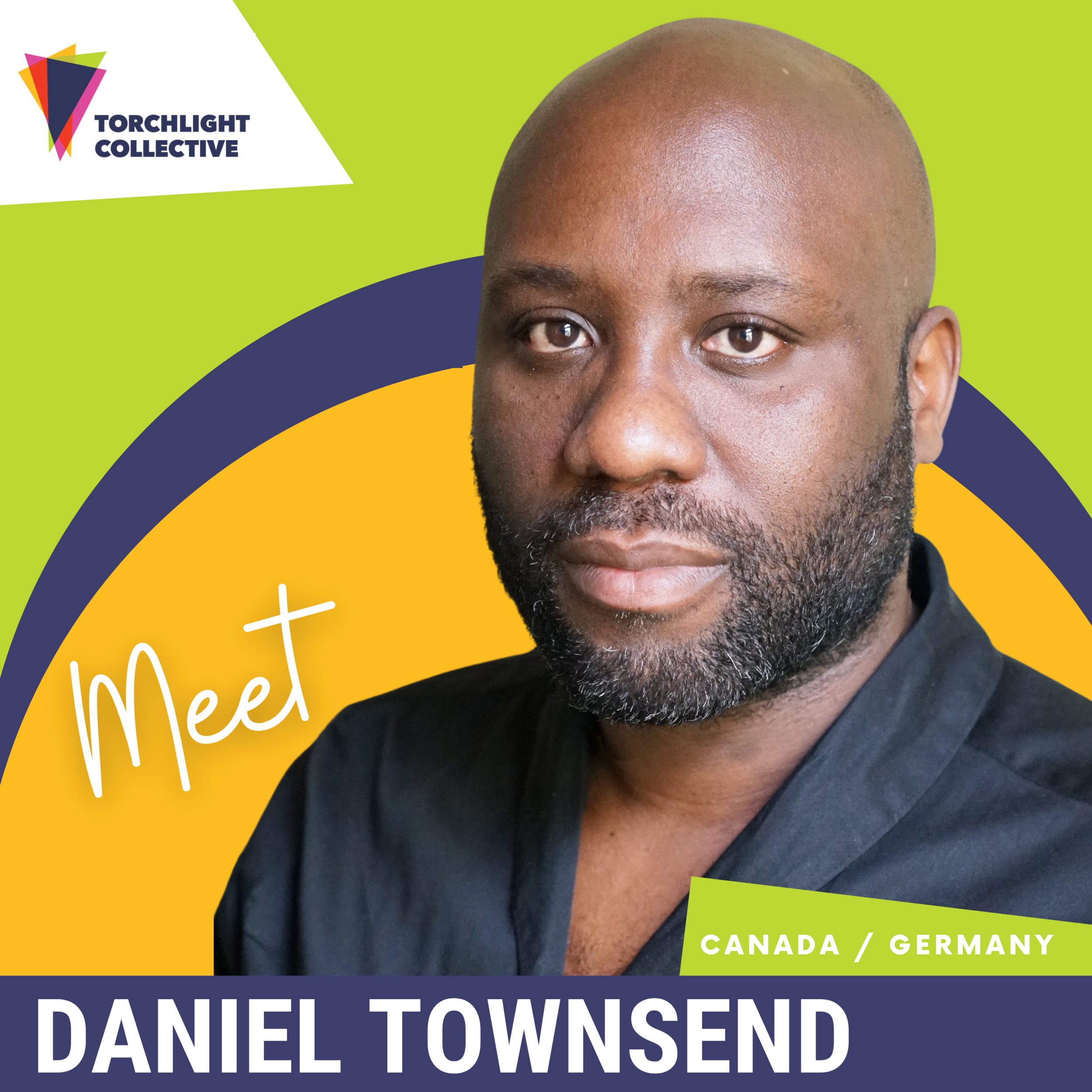
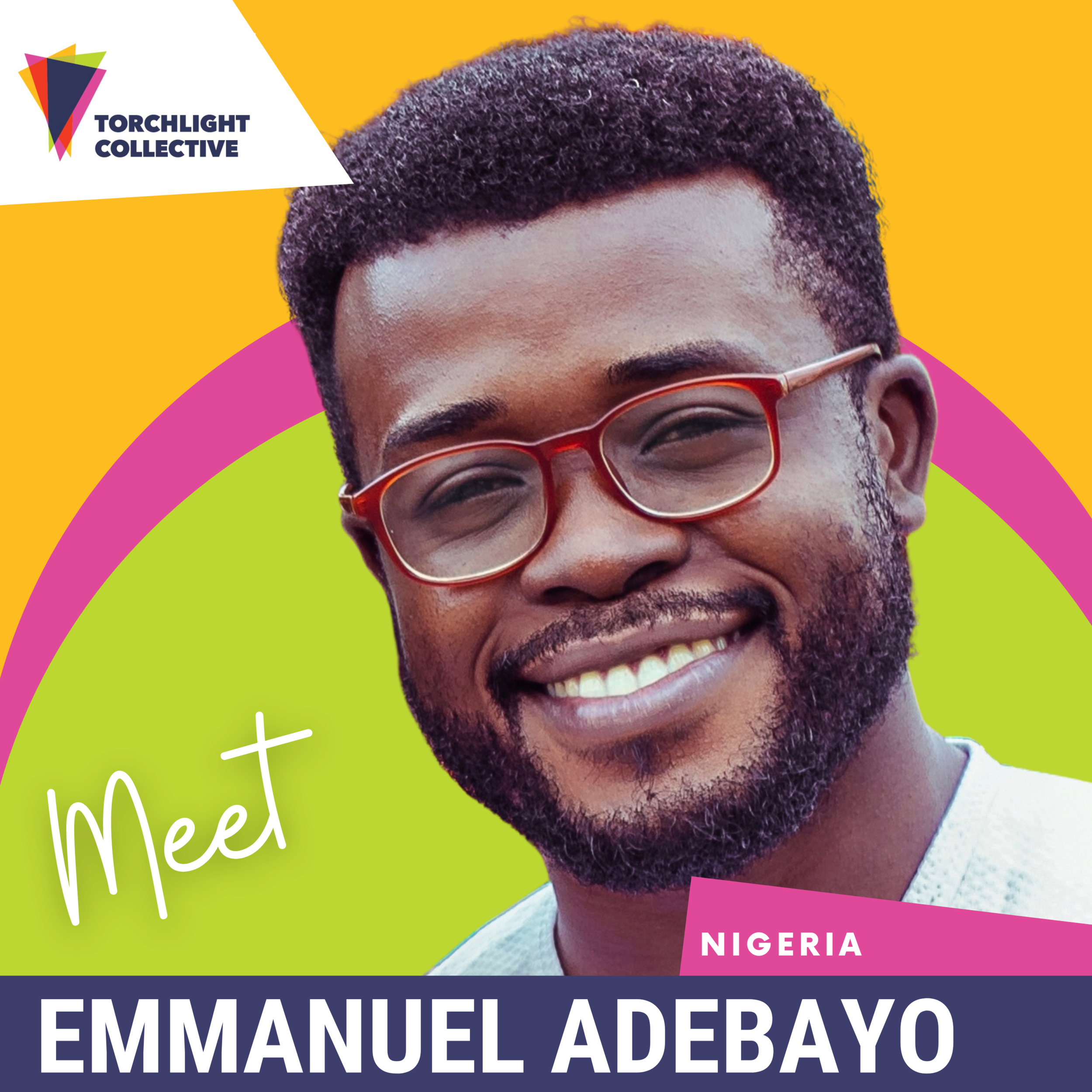
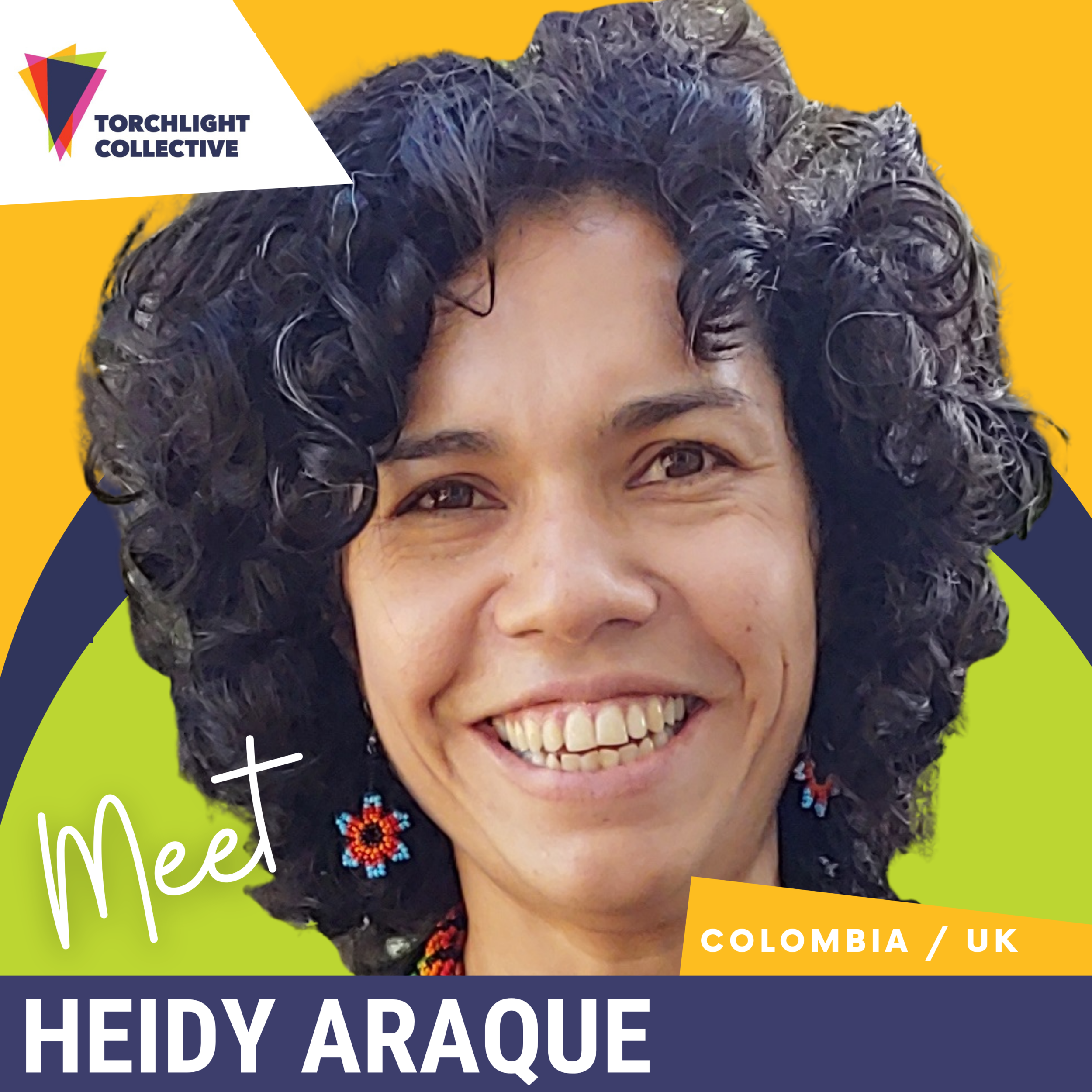
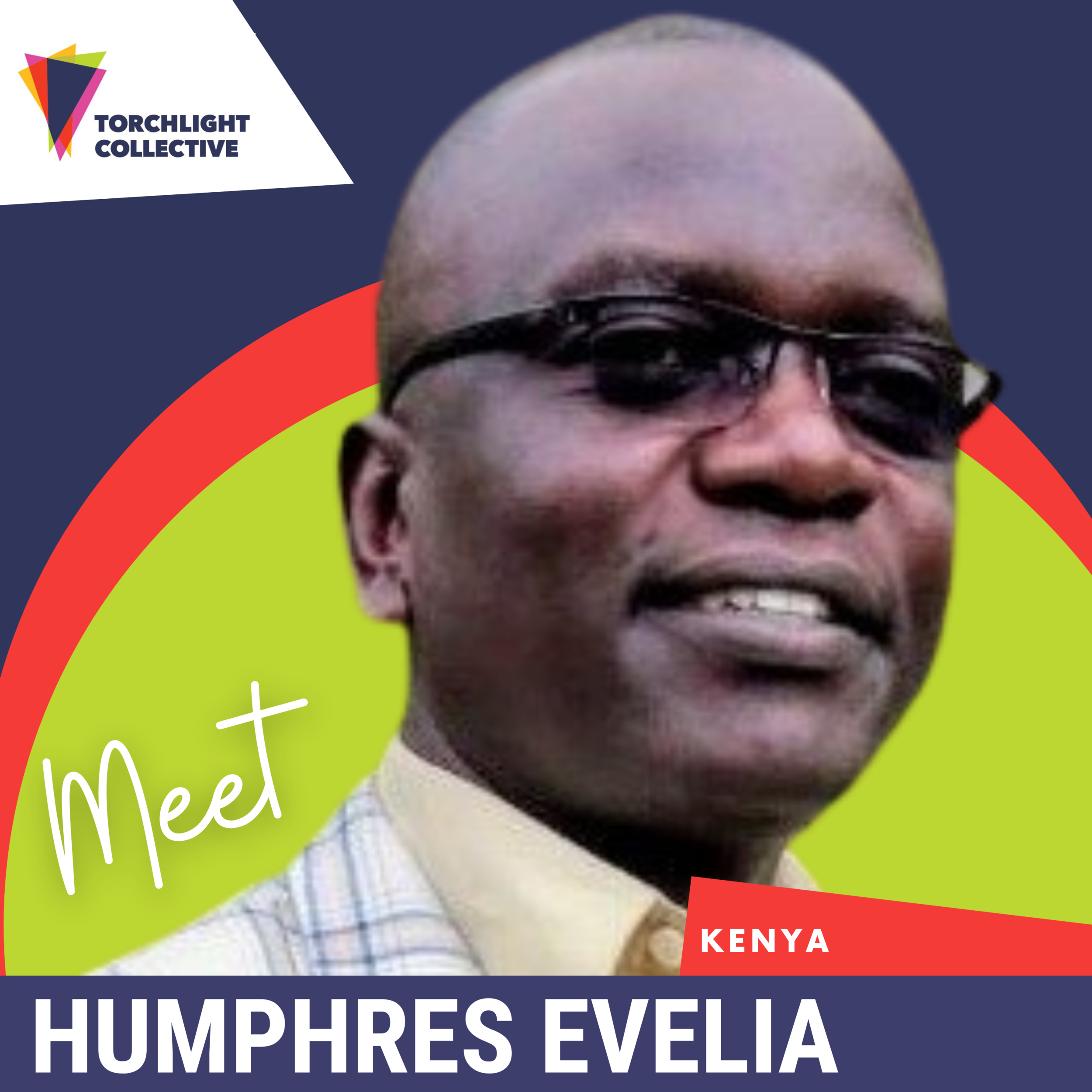
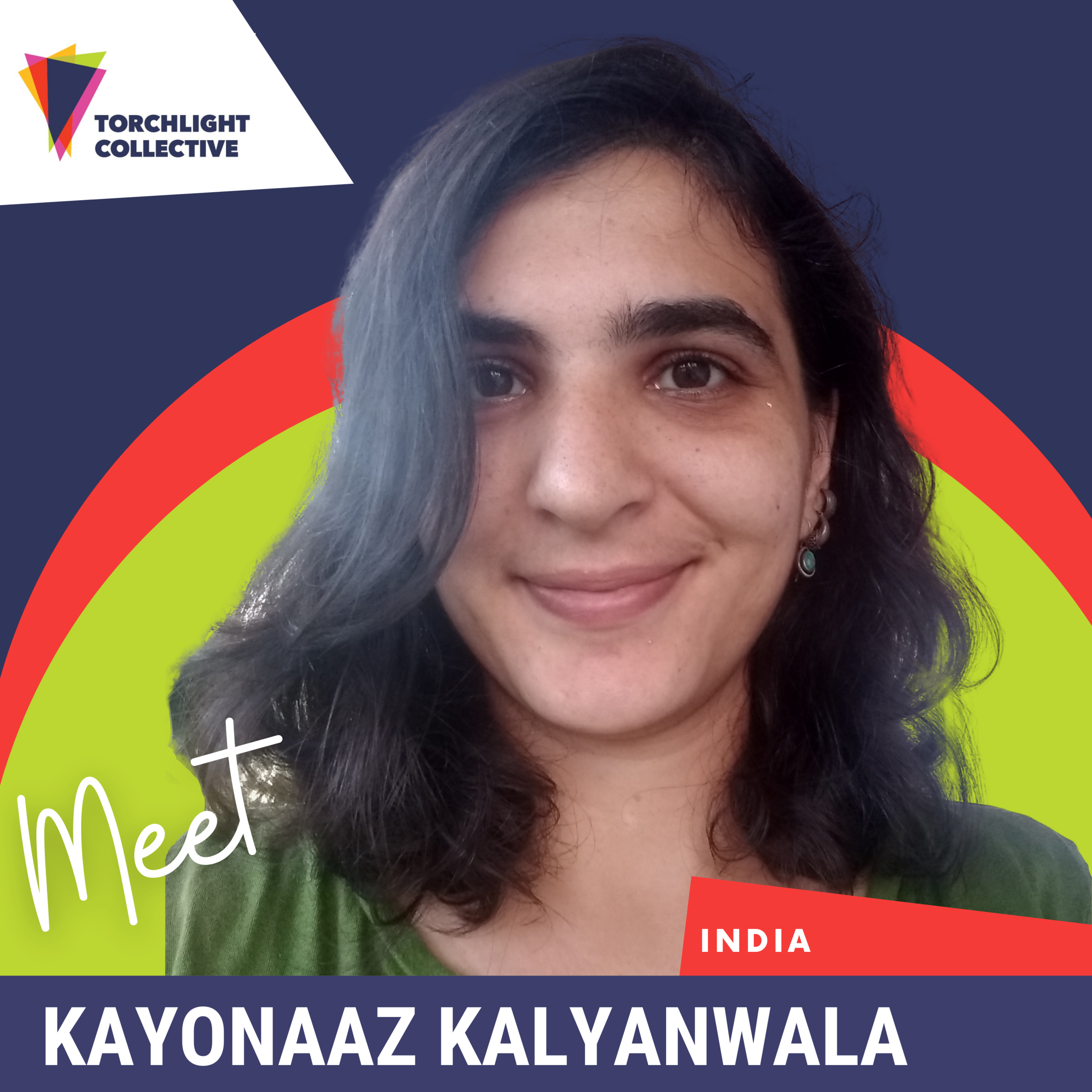
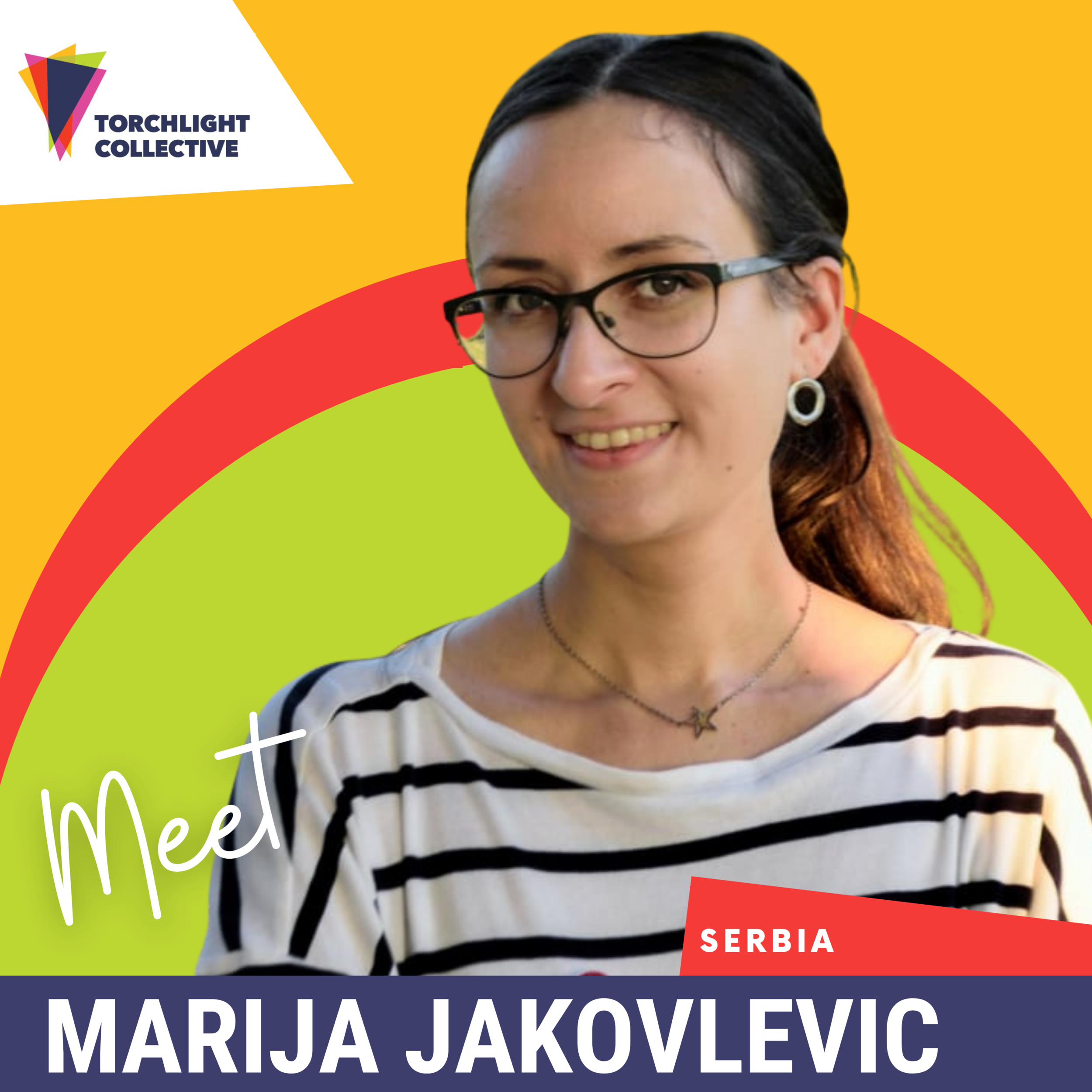
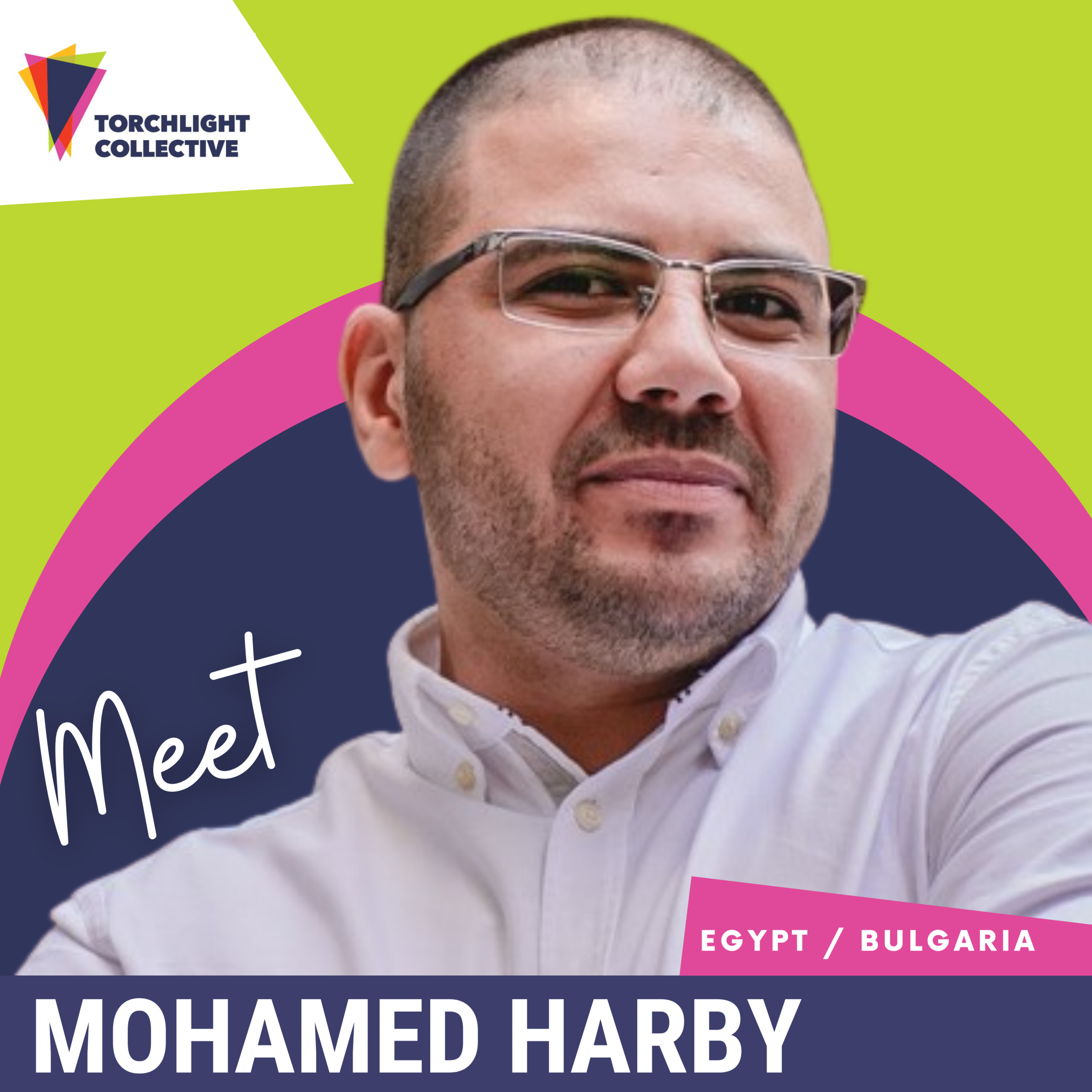
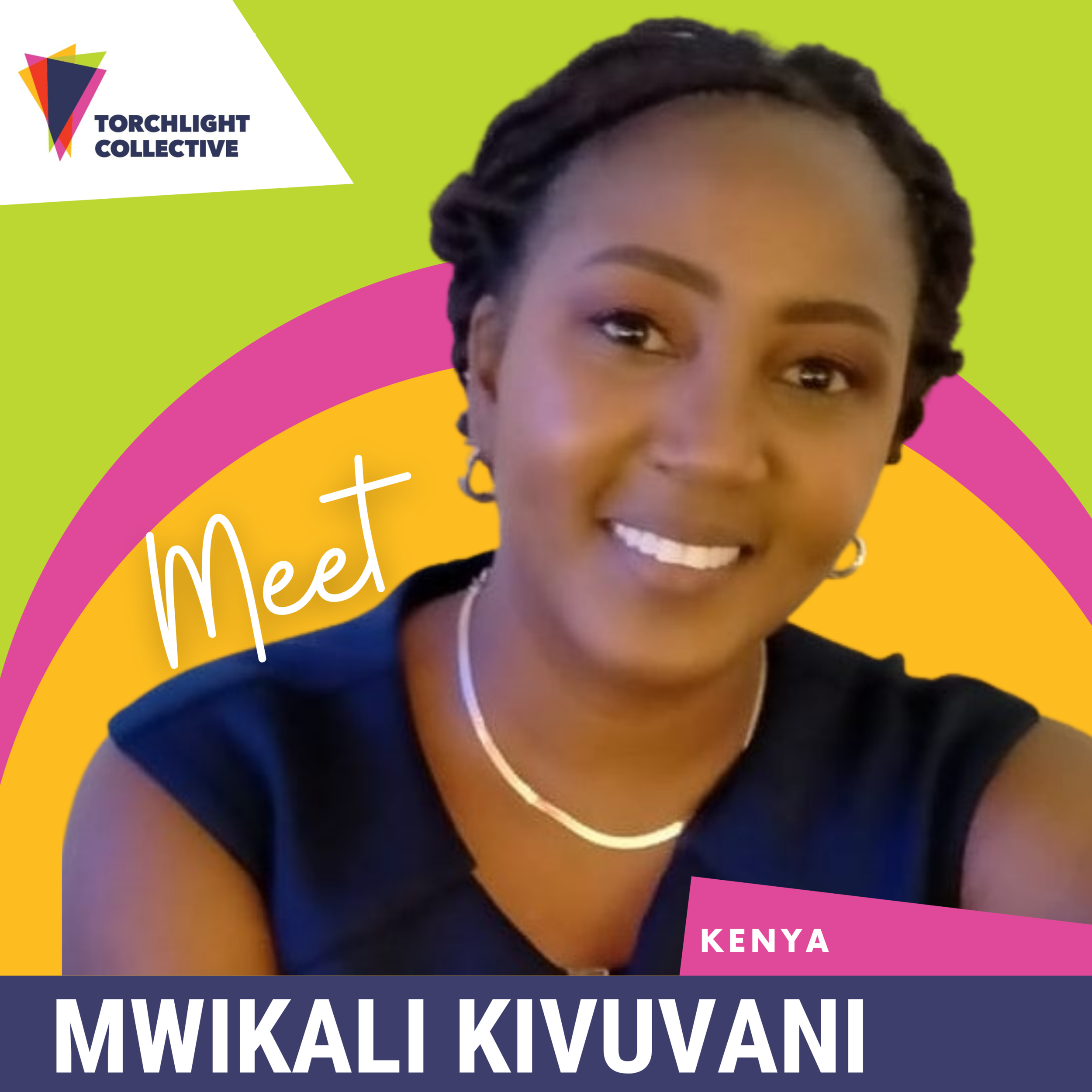
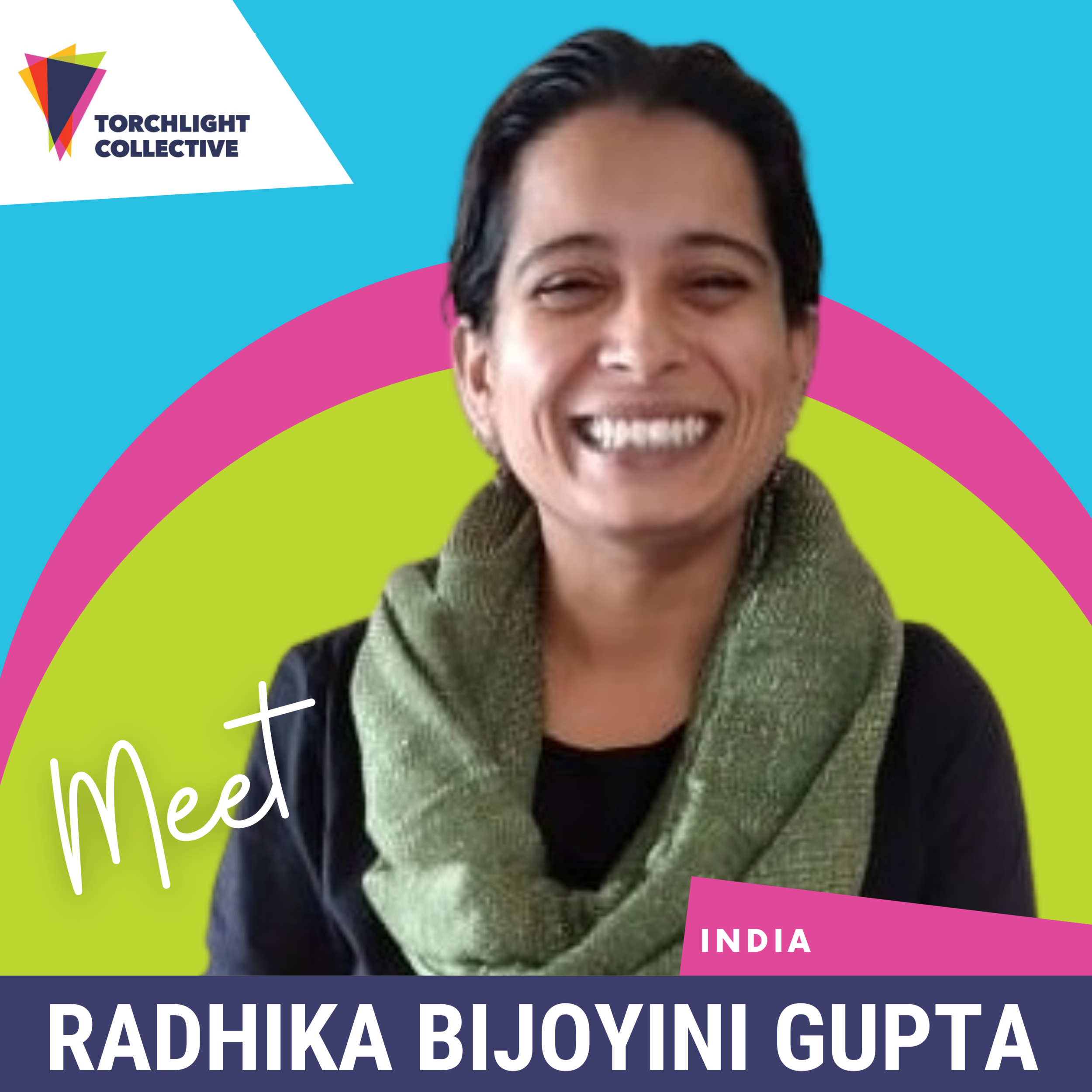
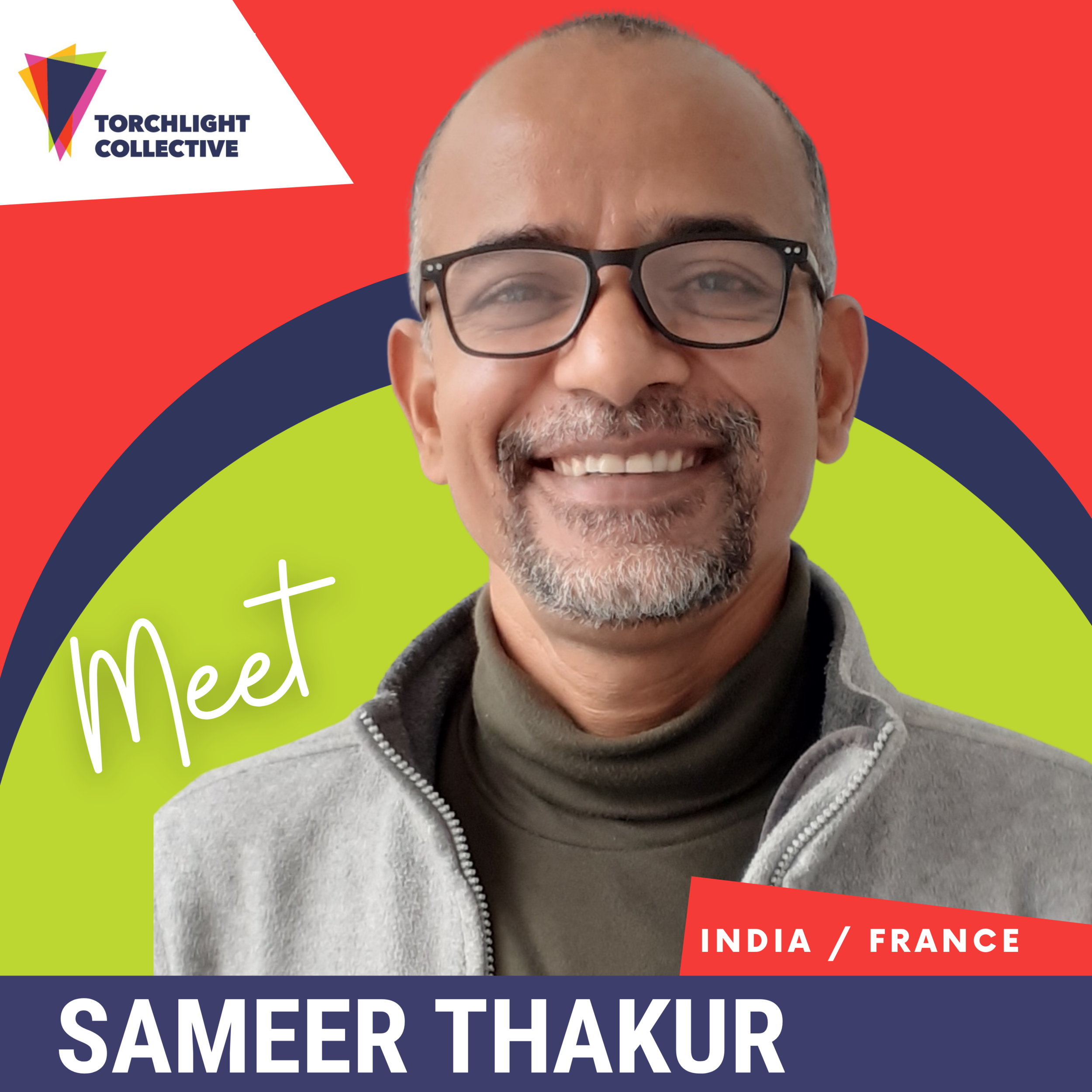
The Torchlight Collective is celebrating historic growth this year. We are thrilled to welcome our newest cohort of members: 13 experts from East Africa, South Asia, Western & Eastern Europe, and South America who are rolling up their sleeves to work on visionary projects in the fields of international development, human rights, and global health.
By: Lindsay Menard-Freeman (CEO), Kacie Lyn Martinez (COO), & the Collective’s legacy members
The Torchlight Collective is celebrating historic growth this year. We are thrilled to welcome our newest cohort of members: 13 experts from East Africa, South Asia, Western & Eastern Europe, and South America who are rolling up their sleeves to work on visionary projects in the fields of international development, human rights, and global health.
Torchlight uses the latest in human-centered design tools to create a recruitment and onboarding process that supports and grounds new members. More than that, our Collective fuels and harnesses members’ excitement.
But don’t take it from us, here are their experiences in Torchlight so far:
“I’m so excited to be a part of this journey, supporting something that’s growing sustainably in a way that’s not reactive.”
“Understanding Torchlight’s history, vision, and where we’re heading gives the Collective so much credibility. I’m looking forward to meeting with all the members and learning alongside them.”
“The Collective is doing such a commendable job. These internal systems are useful, detailed and at the same time take a very visionary approach. These are things I’ve never experienced in other large organizations.”
“The membership rates have helped me so much as a consultant from the Global South. For the first time in my career, I’m able to realize my value and ask for what I’m worth.”
Join us in warmly welcoming our newest colleagues by clicking on their photo to learn more.

Safe Abortion Belongs in CSE Curricula
By: Génesis Luigi
As a feminist living in Latin America, I have seen the rise of anti-rights movements against sexual and reproductive health (SRH), rights, and justice. It is easy to find them campaigning online through sensationalist - and formidably viral - messages.
By: Génesis Luigi
As a feminist living in Latin America, I have seen the rise of anti-rights movements against sexual and reproductive health (SRH), rights, and justice. It is easy to find them campaigning online through sensationalist - and formidably viral - messages. They also rally on the streets and public service offices waving signs with stigmatizing messages like “abortion is murder.” One of their favorite arguments against comprehensive sexuality education (CSE) and gender equality policies is that it promotes irresponsible sexual behavior and abortions. However, a closer look at CSE programs debunks these claims from those opposed to the right to bodily autonomy and a life free from sexual and gender-based violence. Far from being harmful to children, adolescents, and youth, CSE can provide a safe space to explore and develop healthier lifestyles.
There is clear evidence that supports the contribution of CSE to positive health behavior outcomes, including increased knowledge of life skills and reduced gender-based violence when also linked to SRH and psychosocial support services. Similarly, there is a robust body of knowledge showing the negative effects of abstinence-only programs and concluding that it is better to do nothing than teach abstinence. CSE is a legitimate and necessary component of children’s, adolescents’, youth - and let’s be clear, also adults’! -- education. CSE empowers everyone, at any age, to know how to navigate sexuality, relationships, and healthcare systems.
Despite the evidence, we as advocates and educators must recognize that there is far from universal access to sexuality education and comprehensive curriculums. In the last global status report on CSE, UNESCO showed that safe abortion access is largely absent from curricula across the world. From a survey of 60 CSE programs from Asia and the Pacific, sub-Saharan Africa, and Latin America and the Caribbean, only 15% of them covered safe access to abortion thoroughly. Abortion access faces a double stigma within education. When it is not completely neglected, it is taught under a stigmatizing light. The erasure of safe abortion from CSE curricula is worrisome, considering it is one of the favorite topics weaponized by anti-rights movements, which are becoming more influential among governments and civil society.
Abortion tends to be framed as ‘delicate’ or ‘controversial,’ which increases the stigma surrounding it. But for sexuality education to be truly comprehensive, abortion needs to be included in a positive and open way that resonates with human rights, gender-transformative, and reproductive justice perspectives. Sharing knowledge and educating about abortion should go beyond a harm and risk reduction approach. CSE curricula should frame abortion access as a right. In addition, abortion access should be de-medicalized. It is time to talk about abortions as a normal part of the reproductive life that can not only be a deeply personal experience, but also a profoundly community-bounded process when abortion-seekers rely upon trusted healthcare providers, activists, and friends for getting information, company, and support. Now more than ever, advocates need to organize and recognize that CSE is political and must bust abortion stigma with unapologetic kindness.
Photo via Flikr.

Advocacy in the COVID-19 Era: A Point of No Return
By: Cecilia García Ruiz
In early 2020, the COVID-19 pandemic hit the world. Cause and effect of structural inequalities and a development model that hasn’t been able to address the needs of the most marginalized, this global crisis has forever changed the ways in which we live, work, and interact with others.
By: Cecilia García Ruiz
In early 2020, the COVID-19 pandemic hit the world. Cause and effect of structural inequalities and a development model that hasn’t been able to address the needs of the most marginalized, this global crisis has forever changed the ways in which we live, work, and interact with others.
In November 2020, the Women’s Major Group (WMG), an official participant in the United Nations processes on Sustainable Development, conducted a survey to identify how feminists were adapting their advocacy tools in response to a virtual world when not everyone is online. Findings on the new challenges to advocacy showed that while COVID-19 became a priority in almost every government’s agenda, advocates’ voices were left out.
Arguably, online engagements made it possible to include more people in conversations that were once only accessible to those who could afford to travel and participate in diverse global and regional advocacy spaces. However, shrinking civil society spaces and the digital divide, amongst other barriers, have made it increasingly challenging to reach decision-makers and ask for the systemic changes we want to see.
Even before COVID-19, advocates in Latin America, including feminist and women’s rights organizations, faced a difficult scenario. International funding has decreased dramatically in the last decade, while anti-rights movements across the region have strengthened and new social and political crises have emerged amidst the pandemic.
Language barriers have also become an obstacle for meaningful engagement. Even when some organizations and other stakeholders have made an effort to ensure simultaneous interpretation in their virtual events, many resources, communication materials, outcome documents, reports, and recordings continue to be primarily in English.
The pandemic has shown that digital connectivity is critical for reducing inequalities. In Latin America and the Caribbean, an average of 68% of households have access to the Internet. There are significant gaps based on households’ income levels and rural women are the least connected group to Information and Communication Technologies (ICTs). These disparities in access, in addition to the lack of skills for utilizing these technologies effectively, undermine the efforts of organizations and advocates, especially at the local and grassroots levels, to meaningfully engage in the new digitalized advocacy spaces and influence decision-making.
The post-COVID context urges us to “adapt” - to improve our tactics, methodologies, and platforms. Yet, if we do not tackle the underlying inequalities and commit to decolonizing international development, online and offline advocacy efforts will continue to exclude those who are always left behind.

The Design of Torchlight: A Collective of Learning, Equity, and Testing What’s Possible
By: Kacie Lyn Martinez
At the close of 2019, the Torchlight Collective faced a pivotal moment in our growth as innovators in international development, human rights, and global health consulting. We knew we had to reckon with a central question in order to realize our mandate: What would it mean to live and work our values at scale?
By: Kacie Lyn Martinez
At the close of 2019, the Torchlight Collective faced a pivotal moment in our growth as innovators in international development, human rights, and global health consulting. We knew we had to reckon with a central question in order to realize our mandate: What would it mean to live and work our values at scale?
In the past five years, our global members have worked on over 45 cross-cutting projects working with foundations, UN agencies, INGOs, academic institutions, and community-based organizations. Our interdisciplinary teams are expert and well-sought after. More than that, we were founded on the belief that we could build a platform for the individual sparks of leading technical experts, researchers, and advocates from around the world to work on visionary, interdisciplinary projects. At our core, this collective is an experiment on alternatives to neocolonial consulting practices through redefining how and with whom we wield collective power. The Torchlight Collective has the promise of redesigning how to collaborate on locally-based and community-driven solutions that don’t assume historic power disparities and exploitative dynamics as a natural part of the process.
Yet, to harness our collective power and work in lofty field-changing ways, we needed visionary infrastructure and strategies to carry us forward. Whether an individual, community, or organization, growth is both a painful and powerful process. In 2020, the Collective began introspecting and building through visioning exercises, restructuring to take on larger scale projects, and redesigning the organization around membership experience. It’s been a bold and vulnerable year.
What we did and why we did it
Our members are not alone in critically analyzing and testing alternatives that decolonize public health and international development. However, the process of uprooting the internalized dogma of white supremacy colonialism is like all healing processes -- it begins with the self. In 2020, and continuing throughout 2021, Torchlight and our members have begun using key tools that help us reflect, reconcile, and recenter. We often pull from best practices in human-centered organizational design, Non-Violence Communications, equitable stakeholder engagement frameworks, and trauma-informed power analyses. Internally, we’re realigning on the Collective as a collaborative practice of learning, joy, equity, and safety.
More concretely, we’ve begun to look at and address insipid inequities in our organizational systems that show up in things like decision-making, pay, and participation. We’ve enacted a transparent tiered structure for day rates, which honors the skills and experience of Torchlight members regardless of their cost of living. We’ve redesigned our onboarding and recruitment processes to center the experience of those we recruit in a way that’s lean, orienting, and enthusiastic. This year, our leadership has also streamlined our project management and business development frameworks to be intentional about how we value different working styles, proactively engage with problematic parts of the sector, and realize care for our members, clients, and partners in our projects. Many of us have internalized professional survival modes of overworking and unhealthy boundaries, so at Torchlight we’re refining support systems for our teams to work in smarter, balanced ways on the impact we care about.
What’s next
Although we’ve established many of these systems throughout 2020, our work and active attention persist. Through participatory design, curious humility, and collaborative learning, our collective is in a process somewhat similar to scrubbing the insides clean. We know that the biggest threats to equity, human rights, and shared dignity thrive on the micro level in the seemingly mundane. How we run meetings, structure teams, and engage with partners all require an assessment and a realignment with whom we aspire to be.
As we do this, Torchlight is growing our membership. In 2020, the Collective welcomed four new members who bring a combined 50+ years of experience across SRHR, reproductive justice, capacity building, young engagement, and participatory research. We’re recruiting seasoned and emerging consultants who are skilled at monitoring and evaluation, diverse research methodologies, data analysis, advocacy campaigns, database development, and data visualization. We particularly encourage those from the Global South, POC, and LGBTQ+ individuals as well as Arabic and French speakers to apply to our next cohort. Applications close Friday, February 12.
It's not just our portfolio of impactful projects, but how we work together that will define the broader legacy of Torchlight. Our commitment to organizational growth is a commitment to improve our work with members, clients, and collaborators - and it’s a major reason why our community continues to expand. More than having their expectations surpassed within project scopes, our clients and partners work with us because they want to explore how we can better work, align, and learn. The Torchlight community supports what Torchlight reflects in the field - an innovative experiment in collectivism brought on by the best and brightest.
We welcome you on our journey.
Photo via Flickr

Ho Ho Ho: A Principled Guide to Giving
By: Caitlin Chandler
It’s that time of the year when you’re likely thinking about which organizations to donate to and also deluged with requests to give. At Torchlight, many of us have been on both sides of the giving spectrum - working as donors giving money and as nonprofits requesting donations.
By: Caitlin Chandler
It’s that time of the year when you’re likely thinking about which organizations to donate to and also deluged with requests to give. At Torchlight, many of us have been on both sides of the giving spectrum - working as donors giving money and as nonprofits requesting donations.
Here are a few things to keep in mind as you figure out where to make gifts ~ if you’re in a position to ~ because as long as we live under capitalism, we may as well spread the wealth!
Charity ratings are not everything. Sites like Charity Navigator and Give Well can be helpful in assessing how effective nonprofits are and giving a general overview of an organization. But just because an organization has a low overhead or salary line does not mean it’s necessarily more effective. It depends on the kind of work the organization is doing - for instance, an advocacy organization may rely on people to do its work and need significant resources to do so. There are also smaller organizations doing important work that are often left out of these rankings.
A donation to a community-based and/or youth-organization can make a big difference. It makes sense that you may want to donate to a large organization that is delivering humanitarian aid or working to provide sexual and reproductive health services globally. But keep in mind many people give to these organizations. Community-based and youth organizations - including networks of refugees and/or migrants, homeless youth, youth who sell sex, LGBTQ youth, and other marginalized groups - do not have the systems to create mass fundraising campaigns or do public relations. They may not even have a nice website! However, they do critical work, often struggle for funding and could use support this time of year. You may need to ask around to find them, but we are always happy to refer you to resource people for your country and/or community!
Consider short term vs long term. Similar to an investment, how would you like to split your giving? You may want to prioritize a current crisis - people in need of food, shelter, medicine and basic protection. Or you may want to fund work that seeks to challenge power systems and create a more equitable world - such as through human rights monitoring, advocacy, journalism, mass mobilization, legal reform and more. And of course - you can always divide your funds between the two.
It’s not just about the money, honey. There are many ways to give that don’t involve financial contributions. You can also use this time of the year to reflect on what involvement in social change looks like to you - and plan how to elevate your engagement next year. This could include anything from ongoing mentorship of a youth organization, voter registration and turnout, running for office, taking up a seat on a Board of Directors, marching in the streets and more.

How Gender Transformative Approaches Have (And Have Not) Changed
By: Marissa Billowitz
I recently joined the Torchlight Collective, and I also hit another milestone - the twentieth anniversary of my first job in sexual and reproductive health and rights (SRHR). As I take a step back, I’ve been reflecting on what has changed and what hasn’t.
By: Marissa Billowitz
I recently joined the Torchlight Collective, and I also hit another milestone - the twentieth anniversary of my first job in sexual and reproductive health and rights (SRHR). As I take a step back, I’ve been reflecting on what has changed and what hasn’t.
In terms of what’s changed, I’m thrilled that gender transformative approaches - what back in the day we called “gender equity promoting approaches” - have gained traction and are now an aspiration in many mainstream international non-governmental organizations working on SRHR and girls’ empowerment. Working toward gender equity is a good unto itself, as well as being the most effective way to address the root causes behind many unfavorable SRHR outcomes. Important research has shown that programs, such as comprehensive sexuality education, that address gender and power are more effective than those that do not. Sexuality in general is more widely acknowledged, including by the World Health Organization and, in some cases, pleasure is even embraced through the innovative work of colleagues such as the Pleasure Project.
What I have found has not changed is the universality of discomfort with adolescent girls’ sexuality. Many practitioners embrace buzzwords like “gender transformative approaches,” but cut corners or lack the understanding to apply the concepts in real programming because it means challenging entrenched gender norms around the circumstances adolescent girls can or cannot exercise their sexuality. It isn’t enough to embrace terminology if there isn’t substance behind it. For example, are we truly challenging social norms around adolescent pregnancy if our programs explore gender equality in terms of schooling and work, but not in terms of adolescent girls’ capacity to consent to sexual activity?
With Torchlight, it’s been a pleasure to work on a conceptual framework with the Child, Early, and Forced Marriages and Unions (CEFMU) and Sexuality Working Group. Together, we are unpacking the relationships between adolescent girls’ sexuality and child marriage, following the report Tackling the Taboo: Sexuality and gender-transformative programmes to end child, early and forced marriage and unions. The original report, and the conceptual framework we are producing, recognize that challenging harmful gender norms in an intentional way must include an examination of how social norms and the institutions that uphold them manifest as fear and control of adolescent girls’ sexuality. If marriage is viewed as protection from gender-based violence, or the only acceptable framing in which an adolescent girl engages in sex, it makes sense that the practice continues, and that legislation raising the age of marriage to 18, a common advocacy goal, is an insufficient response.
As a confession, I do not consider myself an expert in early and forced marriage, but rather a competent technical leader in adolescent sexual and reproductive health and rights and gender. This project has reinforced for me that: 1) you cannot address child marriage without addressing the gender norms that perpetuate fear and control of adolescent girls’ sexuality; 2) if you address those norms, many other favorable outcomes will likely occur; and 3) previous attempts to end the practice that have excluded this intentional response to control sexuality not only fall short of expected or sustainable outcomes but can also do harm.
A rights-based approach that seeks transformative gender norm change will avoid putting the onus on the girl to prevent early or forced marriage (or adolescent pregnancy or gender-based violence). Instead, it will build her agency and ability to advocate for her rights, as well as programming that builds critical thinking and dialogue about patriarchal values, masculinities, and girls’ autonomy in all the concentric circles that make up her life: siblings, parents, school/community environment, community leaders, and governing institutions. The end goal of this work cannot only be raising the age of marriage as patriarchy and its effects do not cease to exist at age 18. All program design should be aimed at a world in which girls, in all their diversity, are able to express their sexuality inside and outside of a relationship and to freely develop life purpose and aspirations.
This work has taken us down some paths that have been less explored, like questioning the institution of marriage itself and the surprisingly common assumption of heterosexuality within program approaches. When deeply rooted beliefs around the roles of girls, women, boys, and men are deconstructed through programmatic approaches that enable change, it is no longer acceptable to force a girl or woman into marriage at any age, engage in homophobic or transphobic discrimination and violence, or prevent access to sexuality education and sexual and reproductive health services for adolescents. Adolescent girls are free to exercise agency, collectivize and engage in every aspect of civic and community life. Both laws and the prevailing social norms in a community must reflect these ideals to really address the root causes.
It is truly exciting to support the creation of a new conceptual framework, and we look forward to sharing it when it is finalized. If these sex-positive, norm-challenging approaches are more widely embraced, the world will be a better place for girls, women, gender non-conforming, and LGBTIQ+ people.
Photo via Flickr

Confronting the Sexual Expectations and Experiences of Our Teenage Years: The Rewind Reclaim Recreate Campaign
By: Kat Watson
It all started with an unexpected question: “What actually happens on prom night? Does everyone lose their ‘virginity’?”
My South Asian colleague had watched one of those American high school TV series recently, and was fascinated by prom as a cultural ritual related to adolescent sexuality.
By: Kat Watson
It all started with an unexpected question: “What actually happens on prom night? Does everyone lose their ‘virginity’?”
My South Asian colleague had watched one of those American high school TV series recently, and was fascinated by prom as a cultural ritual related to adolescent sexuality.
I thought about her question a lot. Did I feel “pressure” to “seal the deal” with my date that night? Was there an expectation that if you hadn’t had sex by that point, that prom night was the time to do it? Or, was prom more benign - just an excuse to dress up and have a party with your friends before you graduate high school?
In any case, it got both of us thinking about our experiences of sexuality during adolescents. As we discussed, we found more similarities than differences between my small town Midwestern America life story and her small North Indian city life story.
We were intrigued. How could it be that, on opposite sides of the world, the messages we received as adolescents were so similar?
Our discussions on that day inspired us to reach out to our friends and colleagues across the world who spend their lives advancing sexual and reproductive health and rights. We wondered whether they all had similar experiences as adolescents, and how and whether those experiences have shaped who they are today.
What started as an innocent question has grown into Rewind Reclaim Recreate - a Medium platform to share the social expectations and boundaries around sexuality that we all remember from our adolescent years. And, looking back, to share reflections on what we wish we had known back then that we know now.
Across the world, adolescent sexuality remains a taboo. Adolescents-and in many places, all unmarried people-are not “supposed” to express their sexuality freely. Patriachal, heteronormative, and adultist norms are socialized and internalized from well before adolescence, but are felt particularly during those formative years when we, begin to explore our sexuality. Not only do such norms prevent adolescents from discussing sex and contraception with adults, but many of us spend lifetimes unlearning the harmful norms we absorbed during our youth as well as the implications for our mental and emotional well-being.
As sexual and reproductive rights activists and advocates, we hope that this small attempt to “rewind” our own lives, “reclaim” our stories and “recreate” the narrative around adolescent sexuality will, in some small part, contribute to making the experiences of young people now and in the future more positive and pleasurable (including on prom night).
*If you are interested in contributing a story to the @rewindreclaim Medium platform, please send it to rewindreclaim@gmail.com; if you prefer to remain anonymous, please indicate this in your email.

On The Record With: Meaghan Derynck
Meaghan Derynck is somewhat of an MVP at the Torchlight Collective. In addition to being Torchlight’s go to person for advocacy and policy around tuberculosis, she’s worked on a wide range of projects for different clients. These have included creating a toolkit of best practices for SRHR service providers working with adolescents and youth in urban settings, developing an advocacy campaign for universal health coverage (UHC) focused on key populations, and helping out behind the scenes with the operations side of the business.
By: Caitlin Chandler
Meaghan Derynck is somewhat of an MVP at the Torchlight Collective. In addition to being Torchlight’s go to person for advocacy and policy around tuberculosis, she’s worked on a wide range of projects for different clients. These have included creating a toolkit of best practices for SRHR service providers working with adolescents and youth in urban settings, developing an advocacy campaign for universal health coverage (UHC) focused on key populations, and helping out behind the scenes with the operations side of the business. Meaghan is based in Ottawa, Canada, where she is also a consultant with the Paris-based International Union Against Tuberculosis and Lung Disease. We chatted to learn more about Meaghan’s background, some of the current issues in the TB response and why mentorship is more than just career advancement.
Before joining Torchlight, you worked closely with community groups on different health issues, including tuberculosis (TB). We often hear how equity issues affect the HIV response, but TB receives less attention. From your perspective, what are some of the main human rights issues affecting access to TB prevention and treatment?
Outside of Torchlight, all of my work currently focuses on community engagement and involvement in the TB response. The TB and HIV communities are very closely linked, but each have unique challenges, and the TB community is often grappling for its own platform independent of HIV. Many of the human rights issues are similar, particularly inadequate and inequitable access to diagnosis and treatment, especially for marginalized populations. Also, a lot of health systems aren't equipped to deal with TB in conjunction with other health challenges.
A good friend and colleague who passed away recently used to recount how the 2nd time he got TB, he was living in Delhi with no fixed address and was using drugs. He tried to get treatment for his TB, but they told him he needed to go to rehab because he was using drugs, and they also couldn't provide him with any services without ID and proof of address. So he went to a rehab centre, but they wouldn't admit him because he had active TB. It took him over 6 months to be able to access treatment. His story is in no way unique and happens constantly everywhere. In all the conversations now around Universal Health Coverage and how to make health accessible to all, we're talking about 'putting the last mile first' - the more we build systems for health by first focusing on what our most marginalized populations need and then working outward from there, the more we guarantee that the needs of all are being addressed.
What does community involvement in health responses look like to you? Why does it remain important?
No one understands a disease better than someone who is living or has lived through it. Period. Understanding the science and epidemiology behind a disease is one thing, but unless you've had to navigate a health system that stigmatizes you, misdiagnoses you, disbelieves you, feeds you toxic drugs, and oppresses you, you do not understand disease. Affected communities need to have active roles in all aspects of service delivery from developing policy, determining best practices, being actively consulted in R&D of new tools and drugs, providing patient support and helping other community members access healthcare.
How did you initially get involved with global health work?
Ten years ago, I decided to transition my career a bit and go back to school. I did a post-grad in International Development. After graduating, I was having some trouble figuring out where I saw myself fitting into the field. A lot of the traditional approaches to development that we'd been taught were problematic to me, so the idea of following the same path as a lot of my classmates who were off on internships to implement programs in countries they'd never even visited - let alone worked in - didn't feel right. I'd always had a strong interest in health and human rights, particularly as they related to HIV, which is what led me to apply to work with the Global Youth Coalition on HIV/AIDS. (GYCA). There, I met future Torchlight co-founders Lindsay and Reshma - and the rest is history!
What have you learned working at Torchlight on different projects?
The team of brilliant people that we have at Torchlight are inspiring and humbling in all the best ways imaginable. With every project I learn more and more of what my own strengths and weaknesses are, as well as the depth and breadth of knowledge of all of our partners and colleagues. It's an incomparable experience, being able to work with and learn from different clients and peers on a regular basis on such a wide array of projects. The most brilliant ideas for making change in this field seem to always be simmering just below the surface, and working with our clients to draw those ideas out and make them come alive is what gets me up in the morning.
As your career has grown, how have you accessed advice or mentorship? What role did this play in your growth/development?
I've been incredibly lucky to have some of the best mentors throughout my career so far; they've all been women, and they've all grown from or grown into friendships. My version of mentorship has always been very informal; it's been women reaching out to say, "You'd be great for this job, I'll coach you through it and put in a good word," or former colleagues staying in touch and being a friendly ear on a rough work or personal issue, and grabbing a coffee or drink to catch-up when we’re in the same place. At its core, my experience with mentorship has always been rooted in having each others’ backs and having a genuine vested interest in seeing each other succeed and thrive, in all areas of life. While some may see mentorship as an exercise in career advancement, I believe that we do this work because it reflects the type of world we're trying to build, and that is so much more than just a job.

On The Record With: Sara Pellegrom
Sara is one of Torchlight’s most active members. She’s been an advocate for sexual and reproductive health and rights for nearly a decade, with experience at organizations like Women Deliver and International Planned Parenthood Federation / Western Hemisphere Region. As a consultant for The Torchlight Collective, she specializes in program design and implementation aimed at advancing the health and rights of young people, and also supports Torchlight’s external communications.
By: Caitlin Chandler
Sara is one of Torchlight’s most active members. She’s been an advocate for sexual and reproductive health and rights for nearly a decade, with experience at organizations like Women Deliver and International Planned Parenthood Federation / Western Hemisphere Region. As a consultant for The Torchlight Collective, she specializes in program design and implementation aimed at advancing the health and rights of young people, and also supports Torchlight’s external communications.
CC: What drew you to become a member of the Torchlight Collective?
SP: I had spent almost five years working with youth advocates. During my time working on the Women Deliver Young Leaders Program, I built the capacity of individual youth advocates through technical training, advocacy opportunities, and seed grant funding. And that’s important! But I was really interested in how Torchlight focused on movement building and support to youth coalitions. After we support young people to build their capacity, what’s next? How do they take those skills to actually create change? And I had worked with Lindsay before and was excited about joining her team again!
CC: You've done diverse work with TC, including most recently spearheading some of TC's external comms. Why is it important for TC to communicate its work to the world?
SP: I have been lucky to work on several different projects with Torchlight. I have worked on a couple toolkits - one that focused on what works (and doesn’t work!) for adolescent health programs in urban Nigeria and one that provided training on mitigating the harm of the Global Gag Rule. I've worked with foundations focused on bolstering youth-led advocacy and meaningful engagement, which has included support for the Kenya Adolescent and Youth Sexual and Reproductive Health and Rights Network.
I have also supported some communications projects, including the #YoungWomenSay Campaign and Torchlight’s overall external communications. It has been a great experience to work on a variety of initiatives and learn more about how different organizations and donors work, and how they reinforce each other’s work. For example, I worked with Christine from KAYSRHR on writing a blog for the #YoungWomenSay Campaign. Later, I had the opportunity to work with her again on the #ICFPRelay. Both projects gave her an outlet to share her story and advocate for greater youth engagement, just through different channels and to different audiences.
In terms of external communications, it has been a pleasure to elevate the great work that young people are doing on issues they care about. I am really happy that Torchlight’s external communications strategy allows us to focus on sharing and promoting the work being done on the ground by youth advocates and our partners.
CC: Prior to joining TC, you had a long history of supporting youth SRHR including running a young leaders program. What lessons did you learn from that experience that you now apply to your work?
The people in power (usually) have no desire to give up or share control. You can find so many examples of young people claiming their space - the Civil Rights Movement, the Arab Spring, Black Lives Matter, the March for Our Lives movement, and so on. As a supporter of youth movements, it is my job to equip young people with the tools they need to disrupt the status quo and claim the space they deserve. Often, they are the majority of the population and the group with the biggest chunk of their futures at stake. Why shouldn’t they have a bigger say?
CC: What do you know now that you wish you'd known when you started out as a youth advocate?
I wish I had realized how deep the expertise and comradery is in the youth advocacy world, and taken advantage of it more. There is something really unique about working with a group of smart, hardworking people who are all around your age. There isn’t the hierarchy that exists in a lot of other places and jobs - and that provides a great opportunity to learn from each other.
CC: What exciting developments are on the horizon in the youth SRHR landscape? What are you looking forward to in the next year or two?
SP: Just a few years ago, it was a battle to get an event organizer to include a youth advocate on a panel about young people’s access to sexual and reproductive health services. Now, many organizations and donors know that that isn’t acceptable.
I think the next step is ensuring that young people have the opportunity to be more than talking heads. We know young people are experts in their own experiences - they can tell you what’s happening in their own communities. But they are also program officers, clinic managers, doctors, teachers, lawyers. They can help design intervention strategies, manage project activities and monitor the outcomes.
Young people are only becoming more aware of their power and the important role they have to play in all aspects of a project, from beginning to end. I think in the next couple years, more and more young people will demand to have input in decision-making process, program planning and funding priorities. I am looking forward to seeing some of these youth advocates become the boss and make space for a new wave of youth activism!

The Calculus of Sexuality Education
This was the question I heard repeatedly from sexual and reproductive health (SRH) service providers in South Asia when I was working for an international SRH organization. The socio-cultural context of conservative South Asia, where sexuality is taboo and women shouldn’t be sexual unless they are married (even then they shouldn’t be seen to actually enjoy sex), means that service providers frequently bring their values and biases into their service provision.
By: Arushi Singh
Why does a young, unmarried woman need access to any contraceptive other than condoms?
This was the question I heard repeatedly from sexual and reproductive health (SRH) service providers in South Asia when I was working for an international SRH organization. The socio-cultural context of conservative South Asia, where sexuality is taboo and women shouldn’t be sexual unless they are married (even then they shouldn’t be seen to actually enjoy sex), means that service providers frequently bring their values and biases into their service provision.
But this is not endemic to South Asia. There are other adults (mostly men!) in other parts of the world who have decided that young women and men don’t need to know about the different ways they can control their fertility. Other than condoms – which are now considered okay because of their role in preventing HIV – many providers think that young people shouldn’t be given tools like long-acting contraceptives, or (shock! horror!), information about and access to safe, legal abortion. Keeping young people ignorant about matters concerning sex under the garb of keeping them ‘safe’ and ‘innocent’ is the dominant narrative across the world.
As one of my dear colleagues and mentors says, “the one thing we should be grateful to the Bush administration for is to provide us with all this evidence that abstinence-only education doesn’t work!” And there’s more and more such evidence available all the time.
We know that comprehensive sexuality education (CSE) enables young people to be in charge of their bodies and sexuality by giving them the knowledge, attitudes and skills they need. Even UN agencies have reviewed the literature around this and endorsed a truly comprehensive set of learning objectives for sexuality education (don’t just take my word for it, see this UN document). Specifically, it says, “The omission of key topics will lessen the effectiveness of CSE. For example, failure to discuss menstruation can contribute to the persistence of negative social and cultural attitudes towards it. This may negatively impact the lives of girls, contributing to lifelong discomfort about their bodies and leading to reticence in seeking help when problems arise. Other examples include: sexual intercourse; scientific information about prevention of pregnancy; the SRH needs of young people living with disabilities or HIV; unsafe abortion and harmful practices such as CEFM and FGM/C; or discrimination based on sexual orientation or gender identity. Silencing or omitting these topics can contribute to stigma, shame and ignorance, may increase risk-taking and create help-seeking barriers for vulnerable or marginalized populations.”
Despite this, we have a situation where, not only are there socio-cultural barriers to discussing sexuality, contraception, abortion, and pleasure, but we also have policies like the Global Gag Rule that stop sexuality educators in the Global South from explaining safe and legal abortion to young people. This, despite the fact that:
Unsafe abortion constitutes one of the five key reasons for nearly 75% of all maternal deaths
About two-thirds of all maternal deaths take place in sub-Saharan Africa, followed by Southern Asia. Nigeria and India alone account for one-third of global deaths.
As of 2010-2014, an estimated 36 abortions occur each year per 1,000 women aged 15–44 in developing regions, compared with 27 in developed regions. In much of the world, 20–24-year-old women tend to have the highest abortion rate of any age-group, and the bulk of abortions are accounted for by women in their twenties.
Adolescent girls have a particularly high risk of death in childbirth. In fact, complications in pregnancy and childbirth, together with unsafe abortion, are the biggest killers globally of girls aged 15 to 19.
When sexuality education cannot be truly comprehensive by addressing young people’s realities, their desires and fears, their relationship concerns, their need to know more about their bodies and how to have agency over these bodies, and by telling the truth about sex (its mostly fun!), it cannot be of much use in the real world (a bit like calculus – unless you are an architect or building engineer of some sort).
Learning about how to stop a pregnancy that is neither wanted nor intended, and how to deal with a pregnancy that has occurred without meaning for it to and without wanting it to continue, are essential life skills for anyone with a uterus. In fact, silence, secrecy and stigma around abortion results in (mostly young) people with a uterus being unable to seek life saving health care, and a lot of unfounded myths about abortion.
This argument has been made before, but at the risk of turning it into a cliché, I want to say – when we teach children and young people a new thing, we usually demonstrate, encourage trial and experimentation, urge caution where required but understand that at some points self-awareness of risk comes from experiencing or near-experiencing it or learning from others’ experience of it. Think about learning to climb stairs, cross a road, or ride a bicycle. Only when it comes to sex (and calculus), does it suddenly become purely theoretical, biomedical and non-messy (as opposed to what its like in real life), and accompanied by warnings, achtungs and don’t try this at home (though I wish calculus came with the same warnings too).
Instead of openly discussing issues like abortion, where to get a safe and legal one, how to support someone who needs one, or how not to perpetuate abortion stigma, very few sexuality education programs even mention abortion as an option for unwanted pregnancies. We are nearly 20 years into the twenty-first century; it’s time to get real.
Want to know how to actually talk about abortion? Check out this cool animation and be part of changing how young women and men understand their bodies and themselves.
Photo via Flickr

Addressing the Real Reasons Young People Don’t Visit Health Centers in Kenya
The kind of experience a young person often has when visiting a Kenyan health facility is just a nightmare. This is even more the case if you go for reproductive health issues.
By: Victor Sijenyi, KAYSRHR Network
The kind of experience a young person often has when visiting a Kenyan health facility is just a nightmare. This is even more the case if you go for reproductive health issues.
Some young people report that health officers become arrogant. We have had young people failing to go for their health checkups because of the incompetence of health officers and lack of confidentiality. Some young people have had health officers even come out of the office, and announce their diagnosis to the entire clinic. This is humiliating, stigmatizing and against every ethical code of conduct.
Young people often encounter long queues, receive improper drug prescriptions, face drug stock-outs, and generally receive poor services.
We may blame the health officers for all of this, and for their lack of “know how” to speak to and support young people, but that is not enough. It’s actually bigger than that; We went deep into these issues and realized it’s all about funding, government priorities, and the real needs of the people. Most government priorities are never directed into investing or allocating funds to the services, drugs and providers we need; instead they channel most of their allocated funds towards roads and constructions that may never reach completion.
The government also pays health service providers a very low salary, which causes health officers to lose their passion and lack motivation. This in turn leads to the delivery of poor services. We see each year the nurses association on the roads demonstrating against working conditions, poor payment structure, and un-honored memos between them and the government. The health officers also have had issues with the decisions that the government makes in their field without inviting them to contribute.
In order to create change on these issues, as a popular youth reproductive health network, the KAYSRHR Network, we have independently worked with our member organizations in different counties and regions to advocate for funds to be responsibly and accurately allocated for youth friendly services in our health facilities.
We called for health budgets in over five counties to increase the amount of money set aside for contraceptives and general youth friendly services as well as youth-only spaces within health facilities to provide a safe and welcoming space. We also stressed the need for the government to provide better motivation to the health workers, to employ a specialized team to handle youth issues and to provide more training to health officers.
We currently have a program in six counties - Kajiado, Machakos, Nairobi, Kiambu, Nyeri and Kirinyaga - where Kenya is piloting a Universal Health Coverage [UHC] scheme and where we aim to collect youth perspectives on health service provision.
Hopefully through data collection and advocacy, we can turn youth visits to health centers from nightmares into dreams.

On The Record With: Matt Matassa
Hey community! You may remember December’s On The Record With: Lindsay Menard-Freeman. Well, we decided to make it a regular newsletter feature so that you can get to know the beautiful brains behind the faces of Torchlight members. This month we focus on Matt Matassa, our energetic communications and engagement pro.
By: Caitlin Chandler
Hey community! You may remember December’s On The Record With: Lindsay Menard-Freeman. Well, we decided to make it a regular newsletter feature so that you can get to know the beautiful brains behind the faces of Torchlight members. This month we focus on Matt Matassa, our energetic communications and engagement pro. In addition to his unwavering optimism, Matt brings a diverse set of skills to Torchlight - from strategy and digital production to live video - as well as over a decade working on global health and social justice issues. Read on to learn more about Matt, and feel free to send him a note on Instagram at @BasqueMatt.
CC: Tell us about your role at the Torchlight Collective. What kind of projects do you work on?
MM: When I joined the Torchlight Collective two years ago, I had been working at the cross-section of international development and digital engagement for almost 15 years. At the time, Torchlight was consulting on initiatives that required a new level of communications and community engagement. So naturally, I was excited about the opportunities to focus on cutting-edge digital approaches that amplify the impact of our work.
Since I joined, I have been fortunate to work with some amazing partners and explore new strategies and methods to support meaningful engagement. I have primarily built and helped to implement integrated communication strategies and digital approaches. This includes partnering with the Bill and Melinda Gates Foundation to build capacity within the SRHR youth advocacy movement; designing an approach for UNAIDS to crowd-source input into global advocacy efforts; and partnering with the International Family Planning Conference (ICFP) 2018 to produce a virtual program and communications strategy that helped expand ICFP’s reach.
CC: What does digital (or digital communications) mean to you, and how does it play out in Torchlight's work?
MM: I believe that “digital” is a mind-set instead of a section of an organization’s communication strategy. Digital is not a siloed concept, but instead it gives us the ability to innovate and engage audiences in meaningful, cross-cutting, and measurable ways.
As a strategic consultant, part of my job is to help our clients and partners understand the changing landscape of digital communication tools. I always encourage people to bypass creating a digital communications strategy and instead, build an integrated communications plan that relies heavily on digital tools and approaches. I find that creating a distinction between traditional and digital communications usually does a disservice to the final outcomes. I would argue that traditional communications now includes most digital methods and by separating them, you lose sight of the big picture.
For Torchlight, we take this to heart and integrate a spirit of innovation and forward-movement into our approaches. Although we have been fortunate to work with clients that understand the power of digital tools, we have also been able to help with their evolution to building smart digital capacities. I’m excited about this work and look forward to continuing down this path
CC: You recently led the virtual program and social media engagement for the International Family Planning Conference. What were some of the takeaways from that experience?
MM: The Torchlight Collective partnered with the Gates Institute for Population and Reproductive Health to produce the virtual component of the 2018 ICFP. Our main mission was to create an environment that encouraged partner engagement while building networks that helped to expand the reach of conference content, far beyond the walls of the meeting. This included a curation of original partner-produced content from our onsite studio, partner blogs and livestreams of select sessions and press conferences.
I can honestly say that the work we did with ICFP was one of the highlights of my professional career. One big takeaway was that with relatively small investments in content creation and digital tools, there is an exponential increase in the reach and the power of the message. The Gates Institute recognized the power of these investments and has set the bar for how to engage virtual audiences. Additionally, they are now building a virtual audience that will make their future conferences and initiatives more powerful and engaging, and that’s really exciting.
Another main takeaway is that members of the community are the best producer of content, because they are usually the ones closest to the issues. As part of our approach, we enlisted our community partners as content producers. We provided the studio, production guidance, and distribution support, and our partners created short segments that were used to engage our virtual audiences in the major themes of the conference.

CC: Any thoughts of the future of engagement? How can we expect to see international organizations and movements be more in touch with their communities moving forward?
MM: The last two years have shown that good content can be easily developed in a variety of different ways and innovative tools are empowering a new generation of content creators. As these new tools evolve, it is essential to put resources behind getting these tools into the hands of those with something important to say by making sure they have funding, opportunities for skills building, and exposure.
I would also love to see more conference organizers prioritize and engage audiences that are not physically present, and especially those from the global south, from key affected populations, and from diverse youth movements around the world.

ICFP 2018: In Case You Missed It
The energy and engagement around the 2018 International Conference on Family Planning in Kigali proved that investments in reproductive health and rights is a growing priority and the community has continued to evolve and innovate to help meet the the unmet need of women worldwide. Whether you attended in person or watched online, below are a few key items that you will connect you to a few key resources.
What You Need to Know From ICFP 2018
The 5th ICFP took place from November 12 - 15, 2018 and was attended by over 3,500 people from every region of the world, including more than 600 attendees of the youth pre-conference. Whether you attended in person or watched online, below are a few key items that will connect you to a few key resources.
The energy and engagement around the 2018 International Conference on Family Planning (ICFP) in Kigali, Rwanda proved that investments in reproductive health and rights is a growing priority and the community has continued to evolve and innovate to help meet the the unmet need of women worldwide.
ICFP 2018 Virtual Program Archive
For the first time, the ICFP 2018 Virtual Program provided the community with a collection of live streams, press conferences, and original content filmed in the ICFP 2018 studios. This was an opportunity for anyone around the world to engage in and provide input to the conversation happening in Kigali.
The Virtual Program acts as an archive of some of the most interesting and pressing topics taking place during ICFP. You can access all of the content at www.ICFPHub.org, which was developed by FHI 360.
Click below for each session’s livestream page:
Sex O’Clock News
A group of young journalists, lead by the International Youth Alliance for Family Planning (IYAFP), produced daily quick snippet news about the world of sex and reproductive rights. Take a look at the conversation and make sure you subscribe to get updates on the publication’s future work:
#ICFP2018: The Engagement Continues
There were many ways to engage with and follow along during ICFP 2018. Although the conference is over, the engagement continues. Check out videos, blogs, and photos on the various ICFP social media platforms and be sure to follow them to keep up-to-date on ICFP 2020!
Other Key Links
Here is a list of other important links so you can dive deeper into the conversations that took place during ICFP 2018:

On The Record With: Lindsay Menard-Freeman
If you’ve interacted with the Torchlight Collective, chances are you’ve met our very own Lindsay Menard-Freeman (or LMF as we call her in-house). Lindsay, who co-founded the Torchlight Collective in 2016, is known for her infectious laughter, natural warmth and signature curls.
By: Caitlin Chandler
If you’ve interacted with the Torchlight Collective, chances are you’ve met our very own Lindsay Menard-Freeman (or LMF as we call her in-house). Lindsay, who co-founded the Torchlight Collective in 2016, is known for her infectious laughter, natural warmth and signature curls. She’s often the public face of Torchlight, representing us at numerous meetings and public events, shepherding our big projects to completion, and always starting our team calls with, “how are you doing today as a human?” I connected with her virtually across the Atlantic - both of us clutching cups of coffee - to find out what inspired Torchlight’s inception and where she sees it all going.
CC: What led you to start the Torchlight Collective?
LMF: There were two forces that catalyzed the Collective - one of them was that there were a fairly solid group of us working as consultants, most of whom had previously worked for or with youth organizations in our past lives - and the second was that the growing consensus and attention given to youth issues did not yet match up with the technical know-how to support these movements globally. We had all worked with amazing youth movements and coalitions that just didn’t have the right resources or connections, and we knew that a lot of it was a matter of bringing all the actors and pieces together. There was a unique moment to think about how we could joint forces as consultants and be part of something bigger to have a collective impact.
CC: You previously worked as a youth advocate; was it hard to make the transition to adult ally? How did you navigate that transition?
LMF: There were some things that were funny about the transition. Many of us in the Collective, myself included, were in prominent leadership positions (for better or worse), and making very big decisions on behalf of coalitions and organizations, many of us when we were still under the age of 25. That’s a good thing, but it’s also a challenge to then transition to something that feels as meaningful but with more resources. I was really lucky that my first job after moving on from a youth organization was at a place where I had the mandate to still find ways and spaces to support youth movements. For the first time, I could also see how to address some of the struggles I had faced as a youth advocate, and I had the resources and organizational support to do so. Now at Torchlight, we’re in the unique position as consultants and technical experts to think about how to use our voices and roles in new ways.
CC: What are some lessons that you learned as a youth activist that you now apply to Torchlight’s approach?
LMF: I think looking back, some of the things I felt really confident in my understanding of - such as how and where power is shared, who makes decisions and why institutions do certain things - I now realize are more complicated. It’s hard to understand the full landscape when you’re still learning the landscape and the many players involved.
A lot of times our added value with some of the youth organizations we’re working with is to say, here’s the bigger picture and the broader agenda, and how you could think about fitting in. I really like opportunities to support youth movements and youth leaders and to be able to say to them, ‘definitely keep that spirit and attitude of being creative and the flame-thrower and disrupting systems - but here’s some information and ways to think that will complicate and nuance your approach and hopefully make it more strategic and successful.’ To me, this is where Torchlight can be supportive.
CC: Why do you think it’s also critical that donors and people in power continue listening to youth movements?
LMF: The organizations or leaders that say that they’re working in service of or believe in the power of young people - they need to put real, substantive and strategic plans behind those words. And money. You can’t just say ‘they’re the future’ but then not align your programming and agenda to support their work. There’s a symbiotic shift that should happen between NGOs and foundations, and it starts with planning better youth programs and supporting youth-led movements. And at the same time, the money they get to do that also determines how they function. Funding for youth movements has been an issue for years - you need money to get money. Smaller, scrappier organizations often don’t have a shot. This is where Torchlight can also come in and help address some of these power dynamics by supporting smaller organizations to have a seat at the table.
CC: Where do you see Torchlight going?
LMF: We’re now two years into existence. We’ve had amazing clients and diverse projects; we can now review what worked and what we learned from things that panned out differently from how we thought they would. Maybe we grow further, maybe we hone our focus, maybe we formalize some of our methodologies - but it makes sense to continue as long as we add value to this space. We’re in this great moment of reflection to really determine together where we want to go as a group, and I think that’s really exciting.

#ICFPYouthRelay Demands Better Access to Family Planning for Kenyan Youth
In the lead up to the 5th International Conference on Family Planning (ICFP) in Kigali, Rwanda the Kenya Adolescent and Youth Sexual Reproductive Network organized the #ICFPYouthRelay to highlight the role of youth in the process of holding their governments accountable and share young people’s stories and perspectives.
Originally posted on Kenya Adolescent and Youth Sexual and Reproductive Health and Rights Network
In the lead up to the 5th International Conference on Family Planning (ICFP) in Kigali, Rwanda the Kenya Adolescent and Youth Sexual Reproductive Network organized the #ICFPYouthRelay to highlight the role of youth in the process of holding their governments accountable and share young people’s stories and perspectives.
The relay consisted of three satellite events in Nairobi, Kisumu, and Mombasa. During the events, youth advocates met with decision-makers, shared information on family planning, and gathered stories on their experiences accessing and using family planning commodities and services.
In Mombasa, the Reproductive Health coordinator for the county shared the five-year family planning costed implementation plan that highlights the county’s investments through the budgeting process. The event also encouraged young people to share their, often difficult, experiences of accessing family planning commodities.
The event in Kisumu engaged decision-makers in a dialogue on young people’s use of contraceptives. The youth participants expressed particular concern that they are not receiving information on family planning methods and that is why they are not using modern contraceptives.
During the event in Nairobi, young people confronted the Directorate of the Youth and Reproductive Health Unit about why funds allocated in the annual health development expenditure in the county had not yet been used. The youth also asked why there is a discrepancy with information on family planning commodities. For example, the policymakers indicated that reproductive health commodities are free at health centers, but the government website says the cost is $8 USD.
The #ICFPYouthRelay gave youth the opportunity to express their concerns about their inability to access a wide range of family planning information and methods in facilities because of low stock or stock outs. They also clearly linked this this lack of information and supplies to the high incidence of HIV, STIs, and unintended pregnancies in the county.
Additionally, the Relay allowed youth a space to hold the government accountable their commitments, including the 2001 Abuja Declaration where Kenya promised to increase the health budget to 15% of total government spending. To date, the allocation has stagnated at around 6%. All of this input from young people across the country was captured and integrated into the Kenyan Youth Declaration on ICFP, which is bring promoted at ICFP and has been posted on online for signatures.
Here are some ways you can support the #ICFPYouthRelay:
SIGN the Kenyan Youth Declaration on ICFP
READ the feature post in Johns Hopkins Bloomberg School of Public Health Global Health Now blog
CHECK OUT the hashtag #ICFPYouthRelay on Twitter, Facebook, and Instagram
FOLLOW KAYSRHR on Twitter, Facebook, and Instagram for updates on what’s next for the network

If You Can't Make it to Kigali for ICFP2018, We’ve Got You Covered
This year’s International Conference on Family Planning (ICFP), from November 12 to 15, isn't just in Kigali - you can join, interact, and follow along virtually. ICFP brings together the family planning community to share best practices, celebrate successes and chart a course forward, so don’t let distance stop you from participating.
This year’s International Conference on Family Planning (ICFP), from November 12 to 15, isn't just in Kigali - you can join, interact, and follow along virtually. ICFP brings together the family planning community to share best practices, celebrate successes and chart a course forward, so don’t let distance stop you from participating.
There are multiple ways to immerse yourself in the family planning movement:
Virtual conference:
WATCH sessions specifically created for a virtual audience. For the first time, partners from the family planning community are developing original sessions to broadcast via Facebook Live. More than a dozen segments will air over the week of November 12. They’ll be engaging, interactive and cover a range of underrepresented topics and diverse perspectives.
SIGN UP for a unique newsletter or show each day of the conference. The youth-led Sex O’Clock News, Devex’s The State of Family Planning, and Girls’ Globe Live: Connected Conversations from ICFP2018 will connect you with voices from around the world.
ICFPHub.org:
STREAM the speeches, performances, and surprises live from the plenary hall via the hub, developed by FHI 360.
SIGN UP for snappy daily conference digests straight to your inbox.
Social media:
FOLLOW @ICFP2018 on Instagram (you don’t want to miss the stories) and Twitter.
JOIN the #ICFP2018 Virtual Conference Program Facebook group to get notifications about the latest posts and engagement opportunities.
And don’t forget - chime in and share all of the #ICFP2018 content you love!

#YoungWomenSay 2018
#YoungWomenSay, a partnership with Say It Forward, features blogs from incredible young women from around the world and harnesses the power of storytelling and social media to drive attention to their lived experiences, dreams, and aspirations. This year’s campaign featured stories from 18 inspiring young women leaders from 14 countries in every region of the world. Read their blogs, check out the campaign’s Twitter moment, and watch the Instagram story.
#YoungWomenSay, a partnership with Say It Forward, features blogs from incredible young women from around the world and harnesses the power of storytelling and social media to drive attention to their lived experiences, dreams, and aspirations.
This year’s campaign featured stories from 18 inspiring young women leaders from 14 countries in every region of the world. Read their blogs, check out the campaign’s Twitter moment, and watch the Instagram story.